




Non-Hodgkin’s Lymphoma and RoundUp Exposure: What Patients Should Know
Learn how RoundUp exposure may be linked to non-Hodgkin’s lymphoma, how glyphosate affects the body, and why lawsuits are being filed nationwide.

Our Network of Attorneys Are Recognized by the Best
GetCompensation.LAW continues to follow the expanding litigation involving RoundUp and its active ingredient, glyphosate. As thousands of individuals across the United States come forward with similar diagnoses after years of herbicide exposure, non-Hodgkin’s lymphoma has become one of the most frequently cited illnesses in these cases.
Many people who worked in agriculture, landscaping, or lawn care used RoundUp for decades without ever questioning its safety. However, increasing scientific scrutiny and legal investigations have raised serious concerns about the potential health risks associated with long-term exposure to glyphosate-based herbicides.
Understanding non-Hodgkin’s lymphoma, how exposure may occur, and why lawsuits continue to grow nationwide can help individuals evaluate both medical and legal considerations.
What Is Non-Hodgkin’s Lymphoma?
Non-Hodgkin’s lymphoma (NHL) is a type of cancer that develops in the lymphatic system, which is part of the body’s immune defense network. The lymphatic system includes lymph nodes, bone marrow, the spleen, and other tissues responsible for fighting infections.
When lymphoma develops, abnormal white blood cells multiply uncontrollably and disrupt normal immune function.
Symptoms may include:
- Swollen lymph nodes in the neck, armpits, or groin
- Persistent fatigue
- Fever and night sweats
- Unexplained weight loss
- Frequent infections
- Abdominal swelling or discomfort
Because these symptoms can develop gradually, many individuals are diagnosed only after the disease has progressed.
As awareness grows about how glyphosate exposure may increase cancer risk, researchers continue investigating environmental factors that may contribute to lymphoma development.
How Glyphosate Exposure Occurs
Glyphosate is the active ingredient in RoundUp and many other herbicide products. It is designed to kill weeds by interfering with a plant enzyme pathway essential for growth.
However, humans can be exposed to glyphosate through several pathways, particularly when herbicides are used frequently or without proper protective equipment.
Common exposure routes include:
- Direct skin contact during herbicide application
- Inhalation of spray mist
- Contact with treated plants or soil
- Residual exposure from contaminated equipment
Agricultural workers, groundskeepers, and landscapers often face the highest exposure levels due to the frequency with which they handle herbicides.
Individuals who use herbicides in residential settings may also encounter exposure while maintaining gardens or lawns, which is why discussions about roundup the silent hazard in your garden have gained attention among homeowners and public health advocates.
Scientific Concerns About Glyphosate and Cancer
The debate surrounding glyphosate safety intensified after the International Agency for Research on Cancer (IARC) classified glyphosate as a probable human carcinogen in 2015.
This classification was based on a review of scientific studies examining:
- Laboratory evidence
- Animal research
- Epidemiological data involving agricultural workers
While regulatory agencies in some countries maintain that glyphosate can be used safely under proper conditions, the IARC classification prompted renewed examination of potential cancer risks.
Public interest has continued to grow as more individuals begin exploring what is roundup and why are cancer lawsuits being filed, particularly after developing illnesses following years of herbicide use.
The Possible Biological Mechanisms Behind Cancer Risk
Scientists continue to study how glyphosate exposure might contribute to cancer development. Several potential mechanisms have been proposed.
Research suggests glyphosate may:
- Interfere with cellular DNA repair processes
- Promote oxidative stress within cells
- Disrupt immune system responses
- Alter gut microbiome balance
Another area of concern involves roundup and hormonal disruption, as some studies suggest that glyphosate may interfere with endocrine signaling pathways in the body.
Hormonal imbalances can affect numerous biological systems, including immune regulation and cellular growth, both of which are relevant to cancer development.
While research is ongoing, these biological mechanisms remain a central topic in both scientific and legal discussions.
Occupational Exposure and Increased Risk
Many individuals diagnosed with non-Hodgkin’s lymphoma report long histories of working with herbicides. Agricultural workers often apply glyphosate-based herbicides repeatedly over many growing seasons.
These workers may experience:
- Regular contact with herbicide spray
- Exposure while mixing concentrated chemical solutions
- Prolonged inhalation of airborne droplets
In large agricultural operations, herbicides may be sprayed across thousands of acres, increasing the likelihood of repeated exposure.
Because lymphoma can take years or decades to develop, individuals may not immediately connect their illness with past herbicide use.
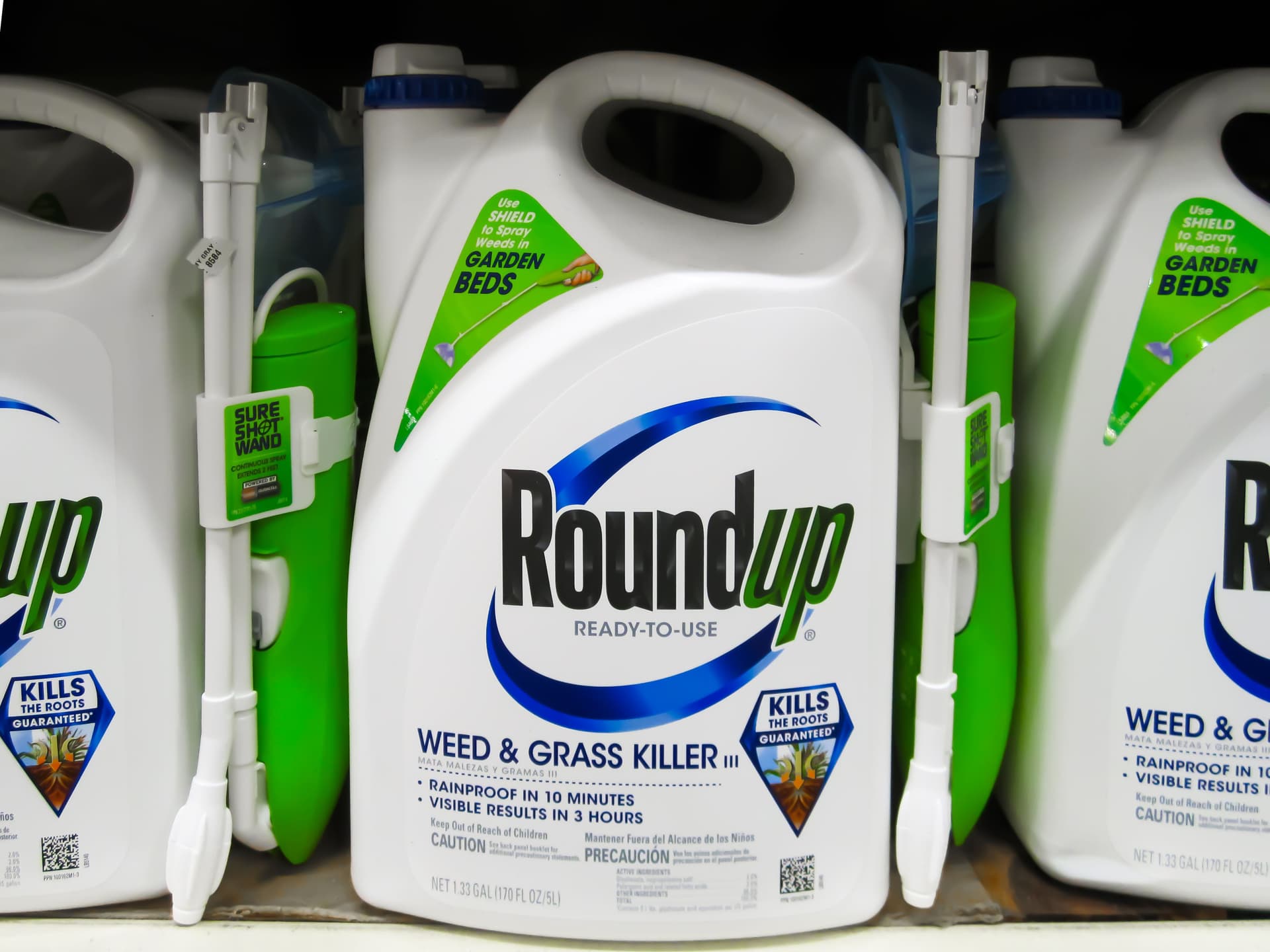
Home and Garden Use of RoundUp
Although agricultural workers face the highest exposure levels, homeowners may also encounter glyphosate through residential lawn and garden maintenance.
RoundUp products have been marketed for decades as convenient solutions for eliminating weeds in driveways, patios, and backyard gardens.
Some individuals have begun questioning whether repeated household use may also contribute to long-term health concerns, particularly as awareness grows about roundup the silent hazard in your garden.
While occasional exposure may carry different risks than occupational use, the widespread availability of herbicides has expanded the population potentially affected.
Why Lawsuits Continue to Grow
RoundUp litigation has grown dramatically over the past decade. Many lawsuits involve individuals diagnosed with non-Hodgkin’s lymphoma after years of herbicide exposure.
Plaintiffs commonly argue that:
- They used RoundUp regularly over long periods
- They were not adequately warned about potential cancer risks
- The manufacturer failed to update warning labels as scientific evidence evolved
These lawsuits fall under product liability law, which allows individuals to pursue claims when a product may have caused harm due to insufficient warnings or safety information.
Understanding what is roundup and why are cancer lawsuits being filed has become an important step for individuals evaluating their legal options.
Evidence Used in RoundUp Litigation
RoundUp lawsuits often rely on multiple forms of evidence to establish potential connections between exposure and illness.
Evidence may include:
- Medical records confirming a lymphoma diagnosis
- Employment history involving herbicide use
- Expert testimony from medical researchers
- Scientific studies examining glyphosate exposure
Because each case involves unique exposure circumstances, courts evaluate evidence individually.
However, patterns among large groups of plaintiffs have drawn significant attention to the potential relationship between herbicide exposure and lymphoma.
The Broader Public Health Conversation
Beyond individual lawsuits, the RoundUp debate has contributed to a broader conversation about chemical exposure and public health.
Researchers continue to study how herbicides interact with environmental systems, wildlife, and human biology.
Public awareness has increased as individuals explore topics such as how glyphosate exposure may increase cancer risk, particularly in communities where herbicide use is widespread.
These discussions may influence future regulatory policies and safety standards.
Looking Ahead
The scientific debate surrounding glyphosate and cancer risk is ongoing. While RoundUp remains widely used in agriculture and landscaping, continued research and legal proceedings may shape how herbicides are regulated and labeled in the future.
For individuals diagnosed with non-Hodgkin’s lymphoma after years of herbicide exposure, understanding the potential relationship between chemical exposure and disease can be an important step toward seeking answers.
Legal action may also encourage greater transparency and improved safety standards for widely used agricultural chemicals.
GetCompensation.LAW remains committed to helping individuals understand the risks associated with RoundUp exposure, the evolving scientific research surrounding glyphosate, and the legal options available to those facing serious illness.