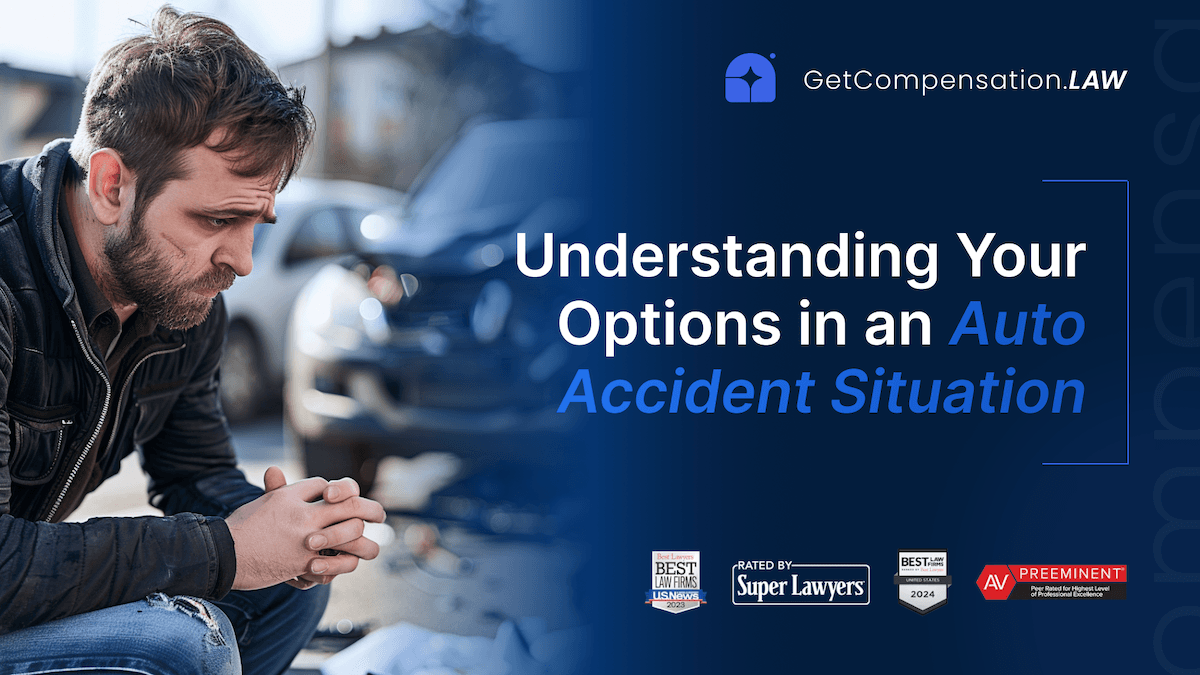




Most Common Truck Accident Injuries and Why They Are So Severe
Learn the most common truck accident injuries, why they are so severe, and how they impact compensation claims.

Our Network of Attorneys Are Recognized by the Best
GetCompensation.LAW explains that truck accidents often result in far more serious injuries than typical car crashes. Due to the massive size and weight of commercial trucks, the force of impact in these collisions can be devastating, leaving victims with life-altering consequences.
Unlike minor vehicle accidents, truck crashes frequently involve high speeds, heavy cargo, and complex mechanical systems. As a result, injuries tend to be more severe, recovery periods longer, and compensation claims significantly higher.
Understanding the most common injuries—and why they are so serious—can help victims better protect their rights and pursue the compensation they deserve.
Why Truck Accident Injuries Are More Severe
Truck accidents are inherently more dangerous due to several factors:
- The size and weight of commercial trucks
- Increased stopping distance
- Higher impact force during collisions
- Potential for multi-vehicle accidents
Understanding the hidden dangers behind trucking accidents highlights why even a single mistake on the road can lead to catastrophic outcomes.
These factors make injuries in truck accidents more complex and often more difficult to treat.
Traumatic Brain Injuries (TBI)
Head injuries are among the most serious consequences of truck accidents. Even with safety features like seatbelts and airbags, the force of a collision can cause the brain to move violently within the skull.
Symptoms may include:
- Memory loss
- Cognitive impairment
- Difficulty concentrating
- Personality changes
Traumatic brain injuries can have long-term or permanent effects, significantly impacting a victim’s quality of life and ability to work.
Spinal Cord Injuries and Paralysis
Spinal cord injuries are another devastating outcome of truck accidents.
These injuries can result in:
- Partial paralysis
- Complete paralysis
- Loss of mobility
- Long-term medical care needs
Because of their severity, spinal injuries often lead to the highest compensation claims, as they require lifelong support and treatment.
Broken Bones and Crush Injuries
The sheer force involved in truck accidents frequently causes fractures and crush injuries.
Common examples include:
- Broken arms and legs
- Rib fractures
- Pelvic injuries
- Severe tissue damage
These injuries often require surgery, extended recovery periods, and rehabilitation.
Internal Injuries
Internal injuries are particularly dangerous because they are not always immediately visible.
These may include:
- Internal bleeding
- Organ damage
- Lung injuries
Without prompt medical attention, these conditions can become life-threatening.
Severe Burns and Lacerations
Truck accidents may involve fires, explosions, or hazardous materials, leading to severe burns.
Victims may suffer:
- First, second, or third-degree burns
- Permanent scarring
- Disfigurement
These injuries often require long-term medical care, including surgeries and specialized treatment.
Emotional and Psychological Trauma
In addition to physical injuries, many victims experience emotional and psychological effects after a truck accident.
These may include:
- Post-traumatic stress disorder (PTSD)
- Anxiety
- Depression
- Fear of driving
These conditions can significantly affect daily life and are often included in compensation claims.

How Injuries Affect Compensation
The severity of injuries plays a major role in determining compensation.
More serious injuries typically result in:
- Higher medical expenses
- Longer recovery periods
- Greater loss of income
- Increased pain and suffering
Understanding how trucking companies and insurers minimize payouts and how victims can fight back is essential, as insurance companies may attempt to reduce compensation despite the severity of injuries.
Strong evidence and proper documentation are key to maximizing a claim.
The Role of Negligence in Injury Claims
Truck accident injuries are often the result of negligence.
Common causes include:
- Driver fatigue
- Improper maintenance
- Distracted driving
- Overloaded or improperly secured cargo
Understanding the most common causes of truck accidents helps connect these injuries to the actions that caused them.
Proving negligence is essential for securing compensation.
Why Identifying Liability Matters
Because truck accidents often involve multiple parties, identifying who is responsible is critical.
Liability may include:
- The truck driver
- The trucking company
- Maintenance providers
- Manufacturers
Understanding who’s really liable in a truck accident helps ensure that all responsible parties are held accountable.
This can significantly impact the total compensation available.
Long-Term Impact of Truck Accident Injuries
Truck accident injuries often have lasting consequences that extend beyond physical recovery.
Victims may face:
- Ongoing medical treatment
- Reduced earning capacity
- Permanent disabilities
- Lifestyle changes
These long-term effects are a key factor in determining the value of a claim.
Why Immediate Medical Attention Is Critical
Seeking medical care immediately after a truck accident is essential.
Prompt treatment helps:
- Identify hidden injuries
- Prevent complications
- Create medical documentation
- Strengthen your legal claim
Delaying care can weaken your case and put your health at risk.
Final Thoughts on Truck Accident Injuries
Truck accident injuries are often severe, complex, and life-changing. From traumatic brain injuries to spinal damage and emotional trauma, the impact can be overwhelming for victims and their families.
Understanding the types of injuries that can occur—and how they affect compensation—can help victims take the right steps toward recovery and financial stability.
GetCompensation.LAW emphasizes that victims should never underestimate the seriousness of truck accident injuries. With the right information, timely action, and proper support, it is possible to pursue fair compensation and begin the path toward recovery.