




Hair Relaxers and Cancer: What Parents and Consumers Were Never Told
Learn how long-term use of hair relaxers has been linked to cancer, what risks consumers faced without warning, and why lawsuits are seeking accountability.

Our Network of Attorneys Are Recognized by the Best
GetCompensation.LAW has closely followed the growing wave of concern surrounding hair relaxers and their connection to serious health conditions, including multiple forms of cancer. For decades, hair relaxers were marketed as safe, routine cosmetic products—used regularly by millions of women, often starting in childhood. Only recently has scientific research begun to uncover troubling patterns that raise urgent questions about safety, transparency, and accountability.
What makes hair relaxer cases especially alarming is not just the potential link to cancer, but the long history of use without meaningful warnings. Understanding how these products became part of everyday life—and what risks may have been hidden along the way—is essential for consumers now seeking answers.
What Are Hair Relaxers and Why Are They So Widely Used
Hair relaxers are chemical products designed to permanently straighten textured or curly hair. They work by breaking down the hair’s natural protein structure, allowing it to be reshaped into a straighter form.
For many consumers, hair relaxers were introduced early in life and used repeatedly over decades. These products became deeply embedded in beauty standards, workplace expectations, and social norms—particularly for Black women and girls.
Common reasons for long-term use include:
- Cultural and societal beauty pressures
- Workplace grooming expectations
- Ease of hair management
- Marketing claims of safety and effectiveness
Because relaxers were sold as cosmetic products, many users never questioned whether they posed long-term health risks.
What Chemicals Are Found in Hair Relaxers
Hair relaxers contain a range of chemicals designed to alter hair structure. Some formulations include substances known or suspected to interfere with hormonal systems in the body.
Researchers have raised concerns about ingredients that may act as endocrine disruptors—chemicals that can interfere with the body’s natural hormone regulation. Hormonal disruption is significant because hormones play a key role in regulating reproductive organs, cell growth, and immune responses.
Repeated exposure over many years raises concerns about cumulative risk, especially when products are applied directly to the scalp, where absorption into the bloodstream may occur.
How Hair Relaxer Exposure Happens Over Time
Unlike one-time toxic exposures, hair relaxer use typically involves repeated applications over long periods. Many users applied relaxers every few weeks or months, sometimes for decades.
Exposure pathways may include:
- Scalp absorption through burns or micro-abrasions
- Inhalation of chemical fumes during application
- Skin contact on the scalp, neck, and hands
Because relaxers can cause scalp irritation or chemical burns, they may increase the body’s ability to absorb harmful substances. Over time, this repeated exposure may contribute to long-term health effects that were not immediately apparent.
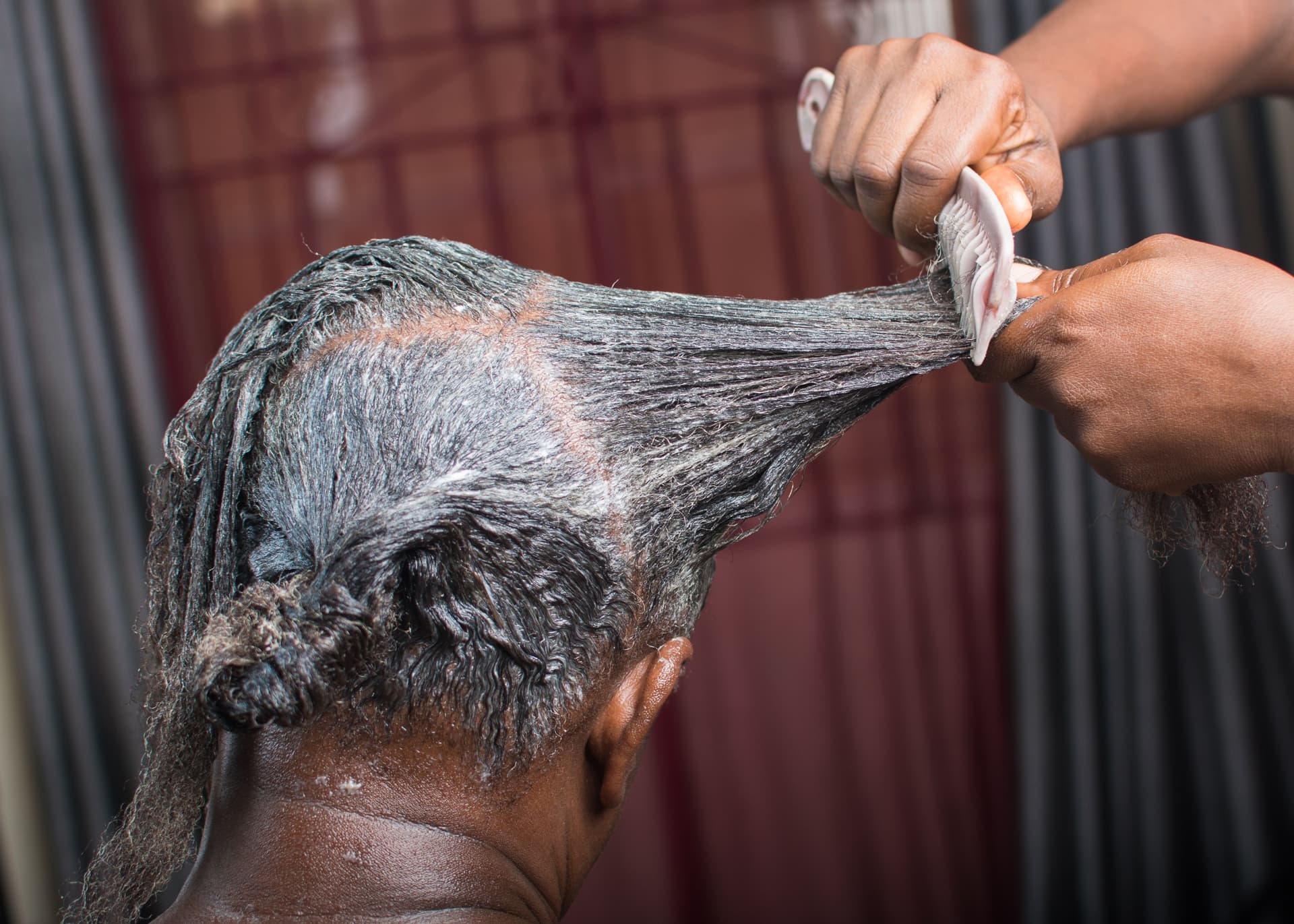
Understanding the Link Between Hair Relaxers and Cancer
Scientific studies have increasingly explored the link between hair relaxers and cancer, particularly hormone-related cancers. Research has suggested associations between frequent relaxer use and increased risk of uterine, ovarian, and breast cancers.
While not every user will develop cancer, the data indicates that long-term, frequent use may elevate risk—especially when exposure begins at a young age.
This research has shifted the conversation from anecdotal concerns to measurable public health questions, prompting deeper investigation into cosmetic product safety.
Why Consumers Were Not Warned About the Risks
One of the central issues in hair relaxer litigation is the absence of adequate warnings. For years, products were marketed as safe for regular use, often emphasizing beauty benefits without disclosing potential health risks.
Many lawsuits argue that manufacturers failed to:
- Warn consumers about possible cancer risks
- Disclose the presence of harmful or hormone-disrupting chemicals
- Conduct long-term safety testing
- Update labeling as scientific evidence evolved
These allegations are at the heart of the hidden dangers of hair relaxers, suggesting that consumers were denied the opportunity to make informed decisions about their health.
Who Has Been Most Affected by Hair Relaxer Exposure
Hair relaxer use has disproportionately affected Black women and girls, many of whom began using these products during childhood or adolescence. This raises serious concerns about environmental justice and health equity.
Long-term exposure during key developmental stages may increase vulnerability to hormone-related illnesses later in life. For many users, relaxers were not a short-term cosmetic choice, but a lifelong routine.
This disproportionate impact has intensified calls for accountability and reform within the cosmetic industry.
Cancer Diagnoses and Emerging Lawsuits
As awareness has grown, individuals diagnosed with cancer have begun to question whether their long-term use of hair relaxers played a role in their illness. This has led to a surge in lawsuits across the United States.
Many claims involve individuals who used hair relaxers and were diagnosed with cancer, often years after discontinuing use. These cases highlight how delayed health effects can obscure the connection between exposure and illness.
Legal action has become a key avenue for uncovering internal company documents, funding further research, and seeking justice for those harmed.
How Lawsuits Seek Accountability and Change
Hair relaxer lawsuits are not solely about compensation—they are about accountability. Plaintiffs argue that manufacturers should be held responsible for failing to protect consumers and for prioritizing profit over safety.
These cases often seek:
- Compensation for medical expenses
- Damages for pain and suffering
- Funding for medical monitoring
- Corporate accountability and reform
The growing number of cases reflects a broader reckoning with cosmetic product safety and regulatory oversight.
Cancer and Hair Relaxers: A Growing Legal Focus
As evidence continues to emerge, cancer and hair relaxers have become a focal point in product liability litigation. Courts are being asked to evaluate scientific research, expert testimony, and corporate conduct to determine whether consumers were put at unreasonable risk.
These cases may also influence future regulations, labeling standards, and industry practices—potentially preventing harm to future generations.
What This Means for Consumers Today
For individuals who used hair relaxers regularly, especially over many years, growing awareness raises important questions. Understanding potential risks allows consumers to seek medical guidance, preserve records, and explore legal options if necessary.
Even for those who no longer use these products, awareness remains critical. Many health conditions linked to chemical exposure develop slowly, underscoring the importance of early detection and monitoring.
Why Awareness Matters Moving Forward
The story of hair relaxers and cancer is still unfolding. As research continues and litigation progresses, public awareness plays a vital role in driving transparency and change.
Consumers deserve clear information about the products they use on their bodies—especially when those products are applied repeatedly and absorbed through the skin.
GetCompensation.LAW remains committed to helping individuals understand the risks associated with hair relaxer use and the legal pathways available to those seeking accountability. By shedding light on hidden dangers and supporting informed decision-making, justice becomes not just possible, but necessary.